Concrete Slab & Foundation Work
Strong foundations start with expert preparation, quality materials, and a crew that knows how to get it right.
The Foundation Your Structure Depends On
Every building, garage, workshop, and addition starts with the same thing: a concrete foundation. If the foundation is not done right, nothing built on top of it will perform the way it should. Doors stick, floors crack, walls shift. These are all problems that trace back to a foundation that was poured on poorly prepared ground or without enough reinforcement.
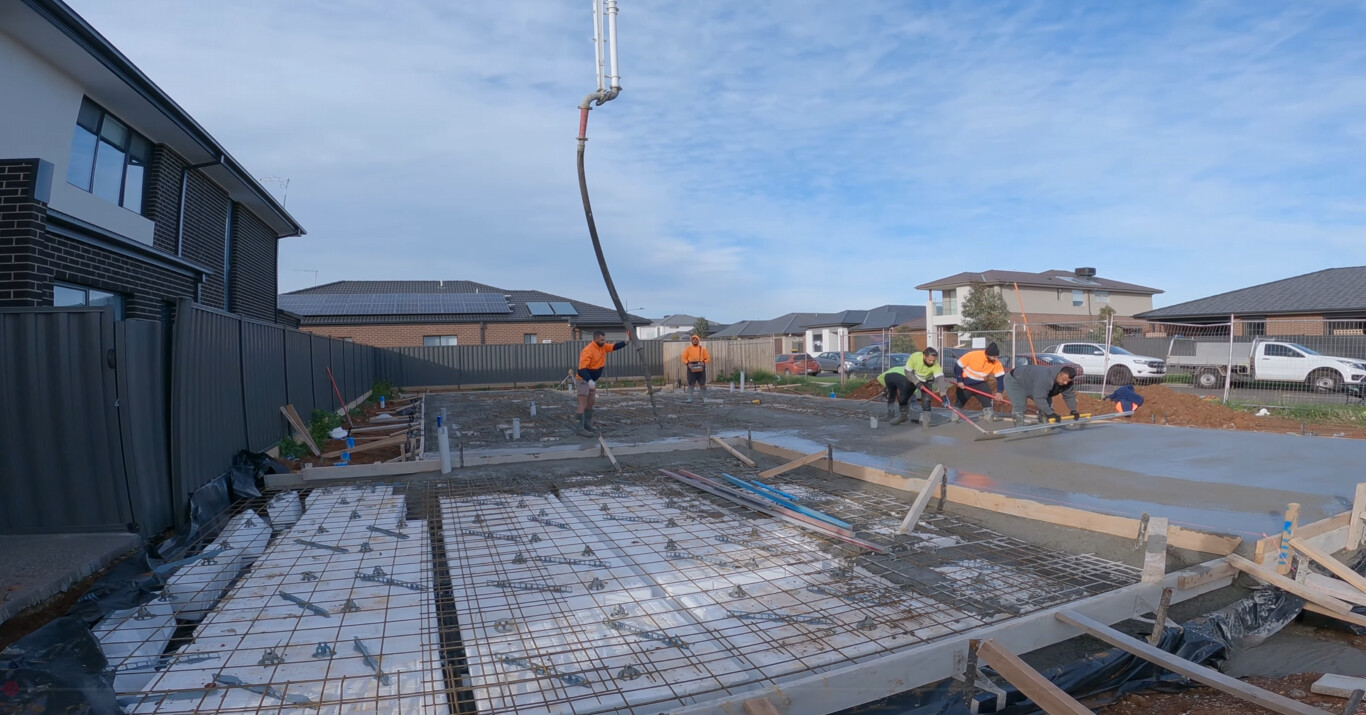
At Advanced North Augusta Concrete, we take foundation work seriously because we know how much is riding on it. Whether you need a monolithic slab for a new home, a garage pad, a shed foundation, or a commercial building floor, we bring the same level of care and precision to every job. Our team handles everything from initial grading and compaction to rebar placement, pouring, and finishing.
We work closely with homeowners, builders, and general contractors across North Augusta and the CSRA area, and like any experienced concrete slab contractor, we build to the specs the project demands. If your project requires permits and inspections, we know the process and build to code every time. You will not have to worry about a failed inspection or a callback because we do it right the first time.
Call us at (803) 991-5033 to discuss your project and get a free estimate. We are happy to visit your site, review plans, and give you an honest quote.
Types of Slab and Foundation Work We Handle
Not every foundation is the same. The type you need depends on the size and purpose of the structure, the soil conditions on your property, and local building codes. Here is a look at the most common types of concrete slab and foundation work we do:
- Monolithic slabs are poured in a single session with thickened edges that act as footings. Great for garages, workshops, and smaller residential structures.
- Stem wall foundations use a separate footing and short wall with a slab poured on top. Common for homes in areas with expansive clay soil like we have here in North Augusta.
- Floating slabs sit on top of the ground without deep footings. These work well for sheds, detached garages, and equipment pads where frost lines are not a concern.
- Garage floor slabs built to handle heavy vehicle weight with proper thickness, reinforcement, and drainage slope toward the door.
- Addition foundations that tie into your existing home foundation for seamless room expansions and sunroom builds.
If you are also considering finishing your new garage floor with a protective coating, check out our garage floor epoxy and coatings service. A fresh slab with a durable epoxy finish is a combination that looks great and protects your investment for years.
Why Proper Preparation Makes All the Difference
The most important part of any concrete slab or foundation happens before a single drop of concrete is poured. Site preparation is what separates a foundation that lasts 50 years from one that starts cracking in five. We start by clearing the area and excavating down to the required depth based on the project specs and soil conditions.
Next, we grade the subgrade to ensure proper drainage. Water pooling under a slab is a recipe for trouble, especially in our area where clay soil can expand and push against the concrete from below. We add a compacted gravel base, typically four to six inches thick, that provides stable support and allows moisture to move away from the slab.
Rebar and wire mesh go in before the pour. The specific reinforcement layout depends on the load the slab needs to carry. A home foundation gets heavier rebar on tighter spacing compared to a simple shed pad. We follow engineering specs and building codes to make sure every slab meets the structural requirements for its intended use.
For projects that also need exterior flatwork, we offer concrete driveway installation so you can coordinate your foundation pour with your driveway for a seamless look. Visit our home page to see all the services we provide in North Augusta and the surrounding area.
Common Questions About Concrete Foundations
How thick should a concrete slab foundation be?
Standard residential slabs are typically four inches thick with thickened edges of 12 to 18 inches where they serve as footings. Garage slabs are usually four to six inches depending on what will be stored inside. Commercial slabs may be six inches or more with heavy rebar reinforcement. We review your project requirements and recommend the right thickness to support the intended load while meeting all local building codes.
How long does a foundation pour take?
The actual pour typically takes one day for most residential foundations. However, the full project including site prep, grading, forming, and reinforcement placement usually spans three to seven days depending on the size and complexity. After the pour, the concrete needs to cure for at least seven days before any construction can begin on top of it. We coordinate with your builder to make sure the timeline works smoothly.
Can you pour a foundation on clay soil?
Yes, but it requires extra preparation. Clay soil is common in the North Augusta and CSRA area, and it expands when it absorbs water and shrinks when it dries out. This movement can crack and shift a slab if it is not accounted for. We address clay soil by excavating deeper, adding a thicker gravel base, and sometimes using moisture barriers or lime stabilization to reduce soil movement. The right preparation ensures your foundation stays stable for decades.
Need a Strong Foundation? Let Us Help
Call today for a free estimate on your slab or foundation project. We will review your plans and give you an honest, detailed quote.
(803) 991-5033